My answers to typical questions...
How do you see clients?
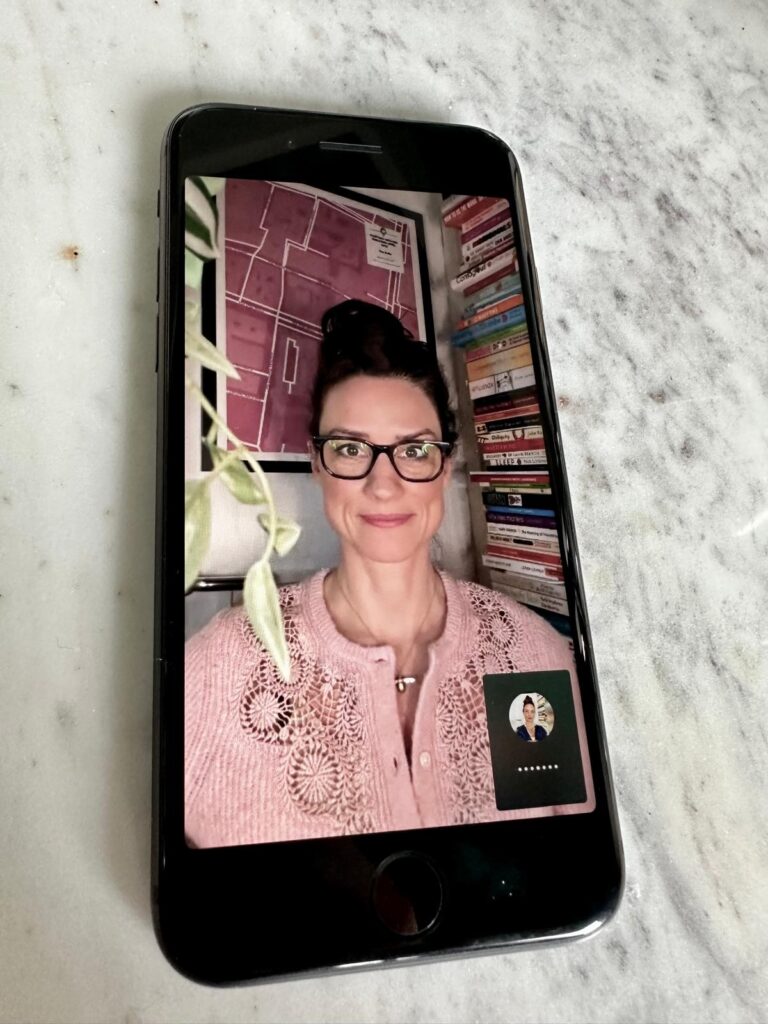
I mainly see clients via video, usually via Whatsapp Video and MS Teams, but I do offer in person sessions in London (Cambridge Heath E2).
For Neurofeedback sessions, you would need to see me in person.
What’s your cancellation policy?
Sessions are non-refundable. By booking a block of sessions, you are committing to the agreed timeframe and course of sessions.
How does payment work?
Payment is by bank transfer, invoiced weekly or monthly depending on your preference. You will be emailed details booking, including timings and bank details. At the time of writing it is possible to block book via my online diary.
How much do your sessions cost?
Personal therapy and date coaching is £180 (50 minute session)
Couples therapy is priced at £310 (90 minutes)
ILF Neurofeedback is £165 for an appointment (30-45minutes), packages of 10 (£1550) and 20 (£3000) are available.
Mental Health Makeover (4 month program combining talk therapy and neurofeedback) is £10,000
PR is £1,250 pr day, hours pro rata available.
Whats the difference between therapy, date coaching And couples counselling?
The difference between therapy, date coaching and couples counselling lies in the goals and focus of the intervention. The premise upon which my work is based is that we are relational beings, and our mental health suffers when we are physically and emotionally disconnected from each other. Most of our feelings of isolation, loneliness, rejection, dejection and discord come from relational breaches, and we either do not know how to reconnect, repair and return, or we are too fearful to do so. This may be because we do not know it is possible, because we have never experienced it, or because we have never learned it, seen it or had good role models. Our society, in its current form, has not prioritised relationality, and I find the running theme in almost all my work comes back to this one thing: understanding and learning relationality without being consumed by it, and harnessing the joy this brings.
Individual therapy draws on therapeutic modalities such as Cognitive Behavioural Therapy (CBT), Dynamic Interpersonal Therapy (DIT), psychosexual therapy, Trauma-Focused Acceptance and Commitment Therapy (TF-ACT), Compassion-Focused Therapy (CFT), and ILF Neurofeedback, depending on your therapy goals. These goals may be specifically relational, such as understanding others better, gaining more confidence around others, navigating the social world more effectively, or overcoming intimacy issues. Alternatively, the goals may be symptom-based, such as reducing anxiety, panic, depression, overwhelm, pain or chronic stress. For neurofeedback, this may also include symptoms associated with ADHD, autism, PTSD and sleep issues.
Date coaching focuses on the practical elements of dating, such as getting dates, converting first dates into second dates, and so on; how to identify ‘red flags’, what questions to ask, and how to move from a situationship into a committed relationship. It also includes understanding and negotiating the relationship, whether monogamous or polyamorous. Date coaching can also address anxious and avoidant attachment difficulties that may arise in dating.
Couples counselling is for people in a romantic relationship, whether married or not, who want to improve their relationship, reduce recurring arguments and conflict, overcome infidelity, develop better communication styles, feel able to ‘get through’ to their partner, and deepen intimacy.
How long do i need therapy or coaching for?
Upon consultation, we discuss an initial timeframe and then review it. We agree on a day and time, which becomes your weekly slot. Typically, we begin with 6–10 sessions and then review progress (unless you are opting for DIT, which is a 16-week therapy programme).
Depending on your goals, we may work together for one ‘round’ of sessions, for example 10 weeks, and upon review we may decide that either the goals have been reached or that we have only just scratched the surface. It is not uncommon to work with me for a couple of years, as many people I support have ‘live’ issues (i.e. difficulties at work, bereavement, friendship struggles, or health concerns) that arise and become part of the therapeutic process. Additionally, if there are deep-seated issues, these can take time to explore, unwind and change. Incorporating neurofeedback can help to support and, in some cases, accelerate aspects of the healing process required to achieve your therapy and coaching goals.
For ILF neurofeedback, you would typically be recommended between 20 and 40 sessions in order to maintain improvements, despite often experiencing relief after one or two sessions. It is possible to have several sessions per week, meaning the course may take approximately 10–20 weeks. Progress is usually reviewed after 20 sessions, at which point you can gauge whether further sessions would be beneficial.
Can I talk to you first before deciding on whether to use your services?
Of course! I cannot work with everybody, and to ensure the best fit, I prefer to speak to everyone I work with before we meet. I offer a 10 minute free consultation for this. Please book a consulation call, you can do that today on the contacts page.
Do you accept insurance ?
I am registered with WPA.